


What five viral words can tell us about how we lived, talked and connected in 2025
Every year leaves behind it a mini cultural time capsule, a snapshot of trends, objects, moments and phrases that melt into the broader zeitgeist. With 2025 on its way out, let’s look back at 5 words that embody some of the year’s globalcultural phenomenon.
2025 kicked off with an all-women (all celebrities) space expedition, something (all-women in space, not celebrities,) we hadn’t seen since 1963. A triumph of science, and culture. Follow that with people lining up for hours outside Popmart to get their hands on a limited edition Labubu blind box. A summer all about big public gatherings with celebrity lookalike contests (where the actual celebrities showed up) and real-life characters in performative male contests.
As online life kept getting faster, many people found refuge in slowing down and in the offline world. There was a roaring comeback for running clubs, reading clubs, social learning and in-person communities and gatherings.
Amidst all of this, the 2025 slang serves as a kind of mirror. A small but telling reflection of who we are and how we’re (slowly) becoming aware of our shared social habits. A small but telling realization that our youngest generations are innovative, always have more fun with words and communication, and, spend a ton of time online.
Parasocial: When Connection Becomes One-Sided
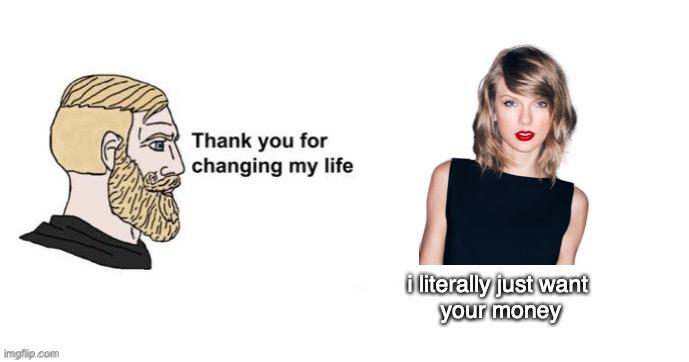 Parasocial is one of those words that started to make its way into our vocabularies during the pandemic but has only truly hit its peak this year.
Crowned Cambridge Dictionary‘s Word of the Year, it captures the one-sided relationships people form with creators, celebrities, streamers, and musicians- Emotionally vivid for one side (the fan), invisible for the latter (the star.)
It’s the word for understanding the blurred dynamics between fandom and friendship, fan and idol, digital intimacy attachment, and consumer trust formed through screens. Brands take advantage of the parasocial. Companies now build entire marketing strategies and business models around these connections,
6 7: Gen Alpha & Numeric Slang
We’re not just cutting time short, but words. The nutty 6 7 (read six seven) is the shortest of the language trends this 2025.
Gen Alpha is particularly fond of this number combo. It means nothing and everything. It’s fun. Why six-seven (not sixty-seven, not sixes and sevens, not six or seven, not six and seven)? It all started with the song “Doot Doot (6 7)” by Skrilla, used by basketball fans on Instagram Reels and TikToks. It quickly became an offline trend, with kids shouting it randomly to create a moment of laughter among peers. Confusion among adults, and driving teachers and parents mad.
It ties in with the wave of nonsensical language that started last year with Brainrot.
Chopped & Cooked: Fresh Out of the Linguistic Kitchen
Out of the kitchen into culture.
The verb chop is no stranger to being chopped up and repurposed for sayings. “Do it chip chop” (quickly), “Chop and change” (change stuff all the time), “have a chop at it” (try),” “get a fresh chop” (haircut), “Get the chop” (fired) “what am I? Chopped liver?” (not very important.)
Now, there’s just plain “chopped”, just plain ugly. Unattractive for people, and, kind of sucks for things.
And then there’s “cooked,” in the sense of the the phrasal verb* “done for.” Which I guess you could say is kind of like the other kitchen-rooted sayings fried, or toast.
This is almost, if not totally, a word “revival”. Some boomers probably still say “your goose is cooked,” gen Zs passed the baton when they were “cooked” if they got caught sneaking out at night by those same boomers or, are now “cooked” at the end of a long day.
So today you can go with the “done for,” in trouble kind of cooked “I didn’t study, if the teacher calls on me, I’m cooked!
Chopped and cooked are Gen Zs lighthearted way of turning something negative into something more fun and lighthearted as a coping method.
*contact us to learn more about phrasal verbs 🙂.
Performative: Facade & Social Proof
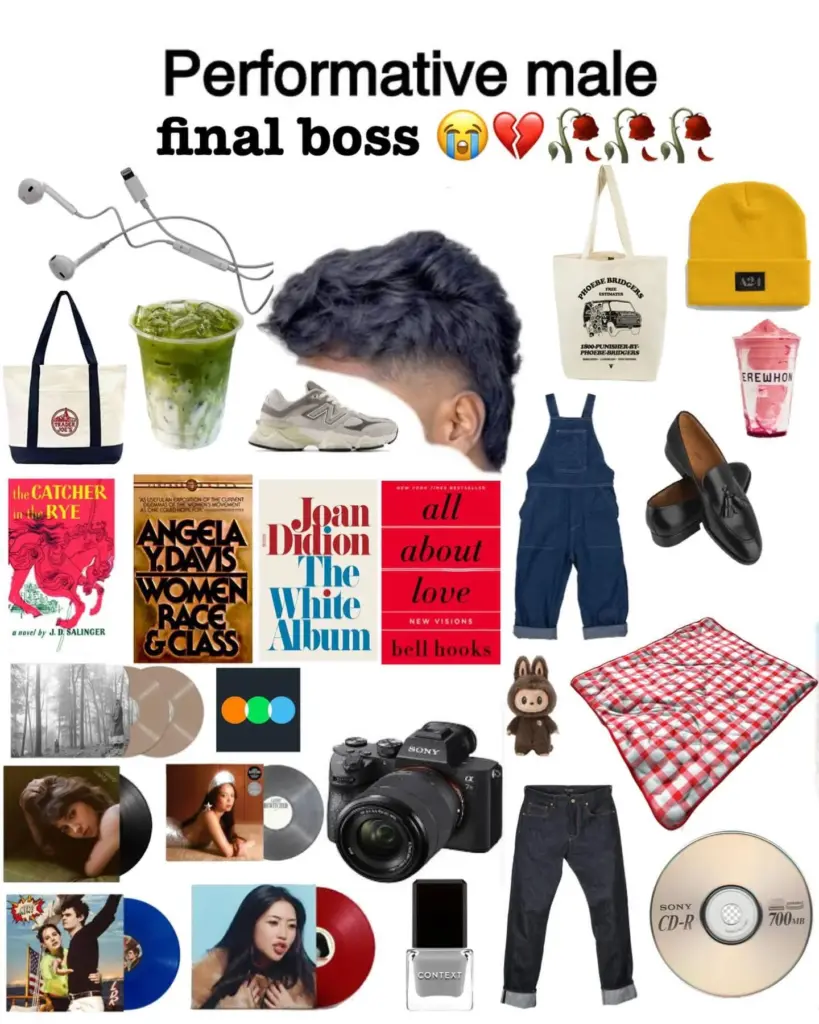 Living so much online and in parasocial relationships. We’re refining our skills to cut through the online content noise and identify who is real and who is faking it. Well, at least we’re aware of it and we’re defining it. Performative. Performative is the new poser. Performing, doing it to appeal, for show.
This year, two main cultural shifts happened that brought the concept back into play. Activism and hypermasculinity.
With activism, we’ve seen a surge of people denouncing world conflicts and injustices and then contradicting themselves. Or alternatively, staying silent on topics when in the past it might have been beneficial or thought felt to get culturally engaged.
We also have the Performative Male. The aesthetics to have, have gone from the buffed Alpha male gym trainers to the tote bag carrying, matcha drinking nice guy. The performative man gives off an air that he’s in touch with his emotions. In a calculated display of sensitivity, he reads literature, in public, dressed in a cosy cardigan. The performative male even found space offline in competitions where hundreds judged a winner.
Unc: The Uncool Uncle
Unc (short for uncle) (everyone loves shortening things bro,) is an affectionate word to describe someone who’s not very up-to-date with trends.
Picture an uncle hanging out with his younger nephews. He cracks a joke (Dad joke) that he’s sure they’ll love, and it doesn’t land at all. You get the idea, it plays out all over the world.
Unc is a niceish way of saying you’re out of step and giving off old man vibes.
You’ll often see Unc paired with chopped in “chopped unc” or “unc is chopped” in a viral TikTok sound, meaning not only am I uncool, but I’m also old, and the internet has left me behind or even just super uncool.
Why Staying Up on the Lingo Matters
Language doesn’t stand still, it’s dynamic. Language reflects society. Slang moves across platforms and generations leaving those who don’t keep up called unc.
If you want to talk to all generations, adapt your content to align with the culture, subculture, and your niche. Check what’s resonating and what is going out of style, what’s performative and what’s authentic.
In a world where words travel fast and expectations move even faster, staying informed means staying credible, culturally aware, and genuinely connected to the people you’re trying to reach.